The Rev. Cassandra Chavez
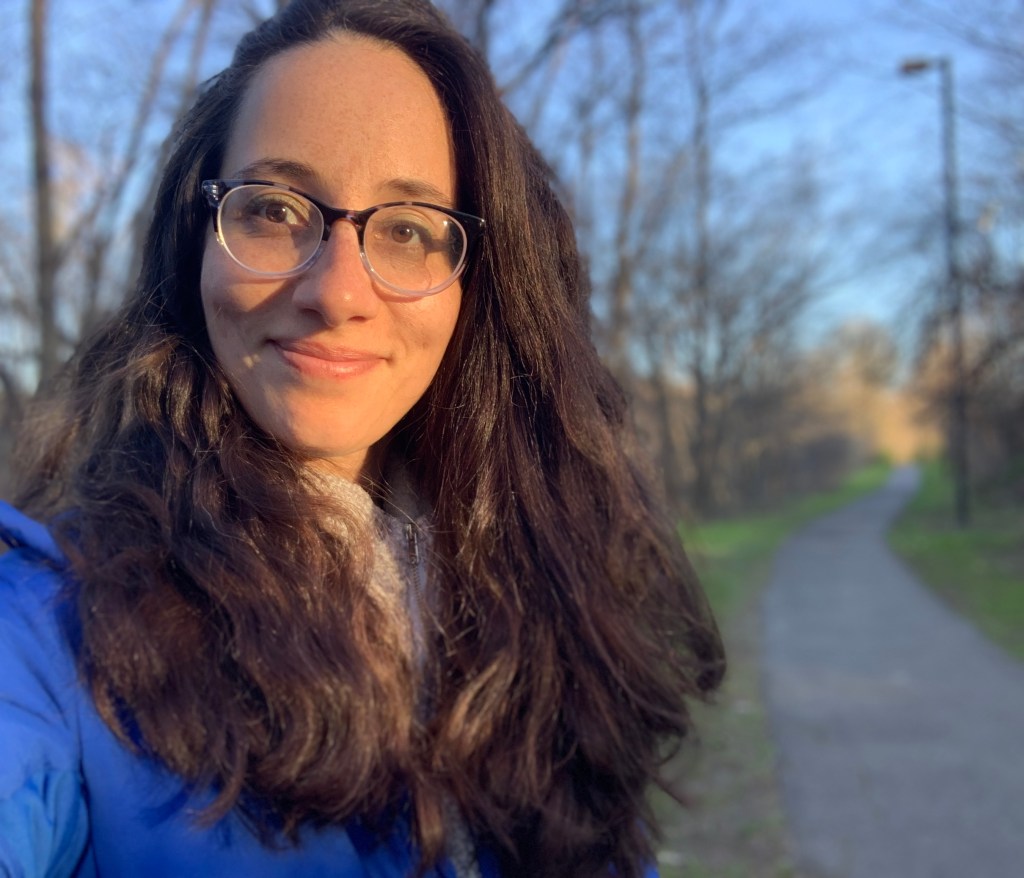
Growing up, I always knew my identity was multicultural. Bolivian, Lebanese and white United Statesian. I was born in New England and lived in Bolivia as a child. Living and moving between cultures, translating became a part of who I am. Even in my call to ministry and vocation, early in life I felt God calling me to ministry to work in peacemaking or community development. As I grew, my identity and life experience gave me a longing to belong to a multicultural community, especially a multicultural faith community. I came to believe that God’s reign on earth can be most faithfully lived out in multicultural community – where all people are celebrated, valued, heard, seen, have a voice and truly belong.
When I finally found multicultural faith community as a young adult, however, I began to realize the challenges that came with being and worshiping together as one people. I saw a majority English speaking congregation do “outreach” to Latin@ immigrants without consulting the Latinos in their congregation. I found that people of color were welcome to worship with white folks but only if they adapted to the “traditional” way of worship; only if they were content to participate but not hold positions of leadership and power. I found that for many white majority congregations welcoming meant being nice to newcomers but not making any sacrifice or change that might truly be needed to welcome. I found that communication across cultures and languages is extremely challenging. And despite these challenges, it was still something I felt God calling the worldwide Christian church to. I came to believe that the path to getting to that vision meant allowing the Spirit to really transform all of us.
Later, I learned that antiracist spiritual practice was at the heart of the path to transformation. That to become and live out God’s vision for a whole and just world, we all needed to include antiracism as a core of our spiritual practice. Thankfully, the Spirit brought me to many people, friends, mentors, and colleagues who felt called to this as well. It has been a privilege, joy and challenge to learn and grow in my relationship with God as I continue to be part of this transformation in myself and in the world. Relationship and spiritual practice are what have led me to NEAR and I am grateful to be here.
The Rev. Anne Deneen
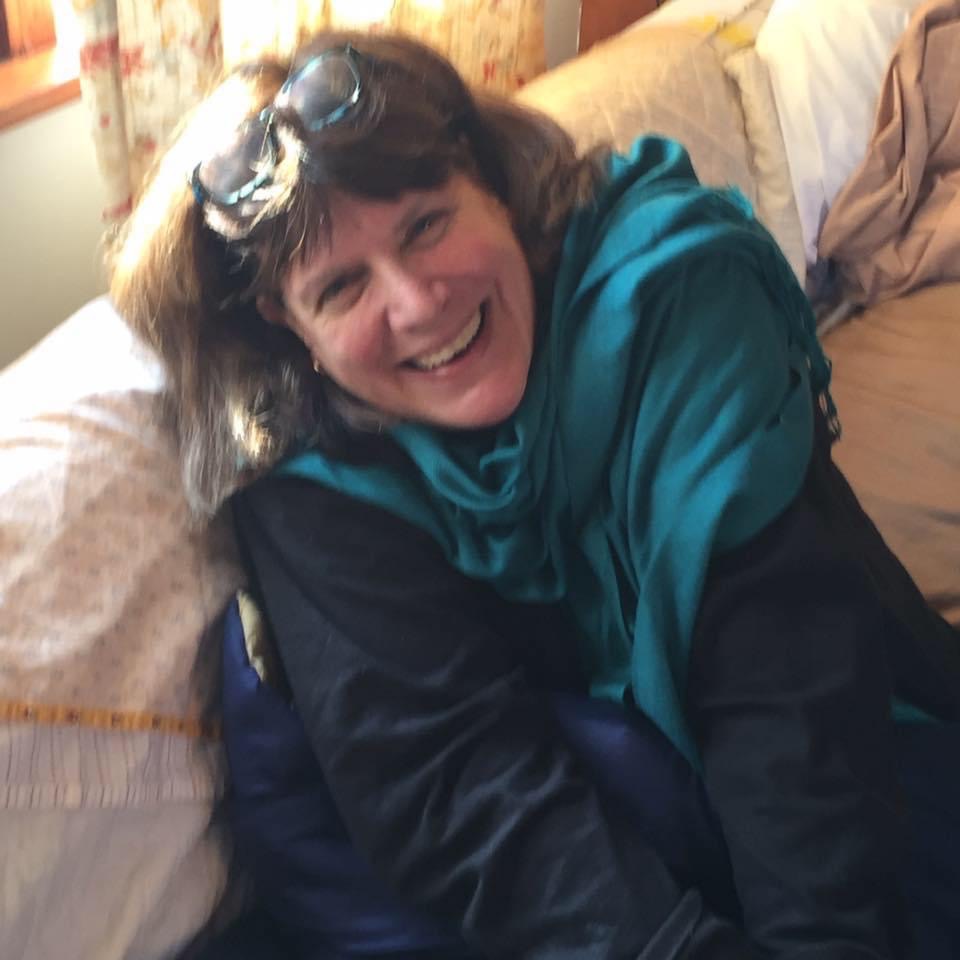
*** More to come ***
The Rev. Susan Gaeta
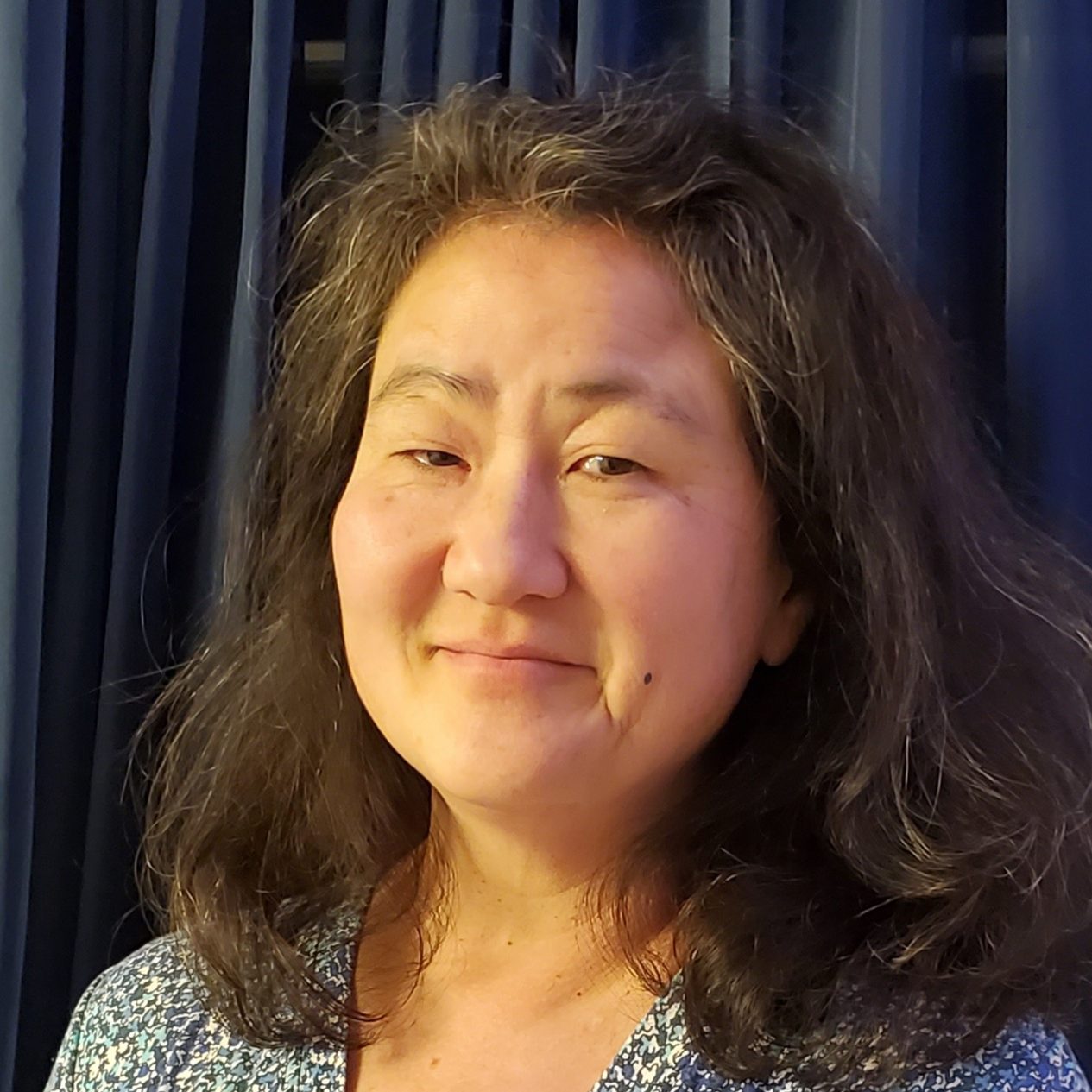
It was the first year Martin Luther King Jr. Day was a national holiday. I was attending a workshop at my college and we were instructed to split up into two groups: white students and black students. Where was I supposed to go?
In seminary I was invited to attend my denominations Multicultural Mission Event. I learned about ethnic associations. The AAPI group had caucuses for each language. There was none for native English speakers.
I was trained in Community Organizing by a national faith-based network. It was truly diverse group so they figured they didn’t have a problem of racism. There were many different faith traditions represented and there was little mention of the power of God in our work.
I was a new pastor in Milwaukee, WI and we were either required or strongly encouraged to attend antiracism training. Out of that experience I became part of the synod’s antiracism team. Many people received training and still racism persisted.
I worked for a national faith-based volunteer organization committed to training all staff and participants in antiracism. We began to name how antiracism is a spiritual practice. The economy improved, numbers declined, funding dried up and personnel issues took over so antiracism took the back burner.
In each of these periods of my life as a part of a faith-based organization antiracism has been deemed important. Each of these organizations is also led by White people and what they really wanted was diversity. I now ground my life and my work in listening to the Spirit, identifying and rooting out white supremacy culture and being in relationship with who God places in my path. Thus, NEAR came in to being.
The Rev. Emily Hamilton

After I graduated from college, I applied to join the Lutheran Volunteer Corps on the recommendation of my childhood pastor. One of the biggest attractions for me was the organization’s commitment to antiracism, something I’d just begun to learn about. When I arrived at orientation, I and every other volunteer attended a multi-day antiracism training run by Crossroads. That training revealed the reality of racism and white supremacy to me in ways I’d never truly understood: from redlining to neighborhoods destroyed by interstate highways, from the “war on drugs” to “colorblindness,” racism was everywhere. Slowly, I learned and grew. With the leadership of some wise housemates and friends, I began to take a greater interest in my neighborhood, the dynamics of race and racism within our program, and to understand that this problem wasn’t going away anytime soon.
In 2012 I began studying at Union Theological Seminary in the City of New York, drawn to its mission of social justice and history with Black liberation and Womanist theologies. There I learned as much from my peers as I did from my professors and assigned reading, especially as we rallied around the Black Lives Matter movement at the murder of Eric Garner.
It was a moment when everything Rev. Dr. James Cone taught us became perfectly clear to me: police violence against people of color, especially Black people, is a continuation of the lynching of Black people – and Jesus himself was lynched, hung on a cross to die. This is the murder of God’s children, made in the image of God. It happened in the time of Jesus, it happened under Jim Crow, and it happens today. What we do to people of color, we do to Jesus.
But this wasn’t the first time a Black man was murdered in my lifetime. Why did this matter so much to me now?
It wasn’t just the coursework. It was the relationships.
This was the first time in my life that I established meaningful relationships with people of color with whom I discussed race and racism. It was the first time my peers, white and people of color, showed me how to be a disciple in the streets and the academy, driving me toward protesting, toward anti-racism activism, and toward coursework that helped me understand how all this was grounded in our liberating God. It was the first time I was part of a community who made anti-racism a priority, and those relationships changed me.
As the pastor of First Lutheran Church in Malden, relationships continue to change me. The incredible activists and educators of this city encourage me, call me to take action, and keep me invested in this work, both in our congregation and out in the community. The same spirit enlivens us all, and it is a privilege to share this practice together.
Br. John Michael (JM) Longworth, OEF
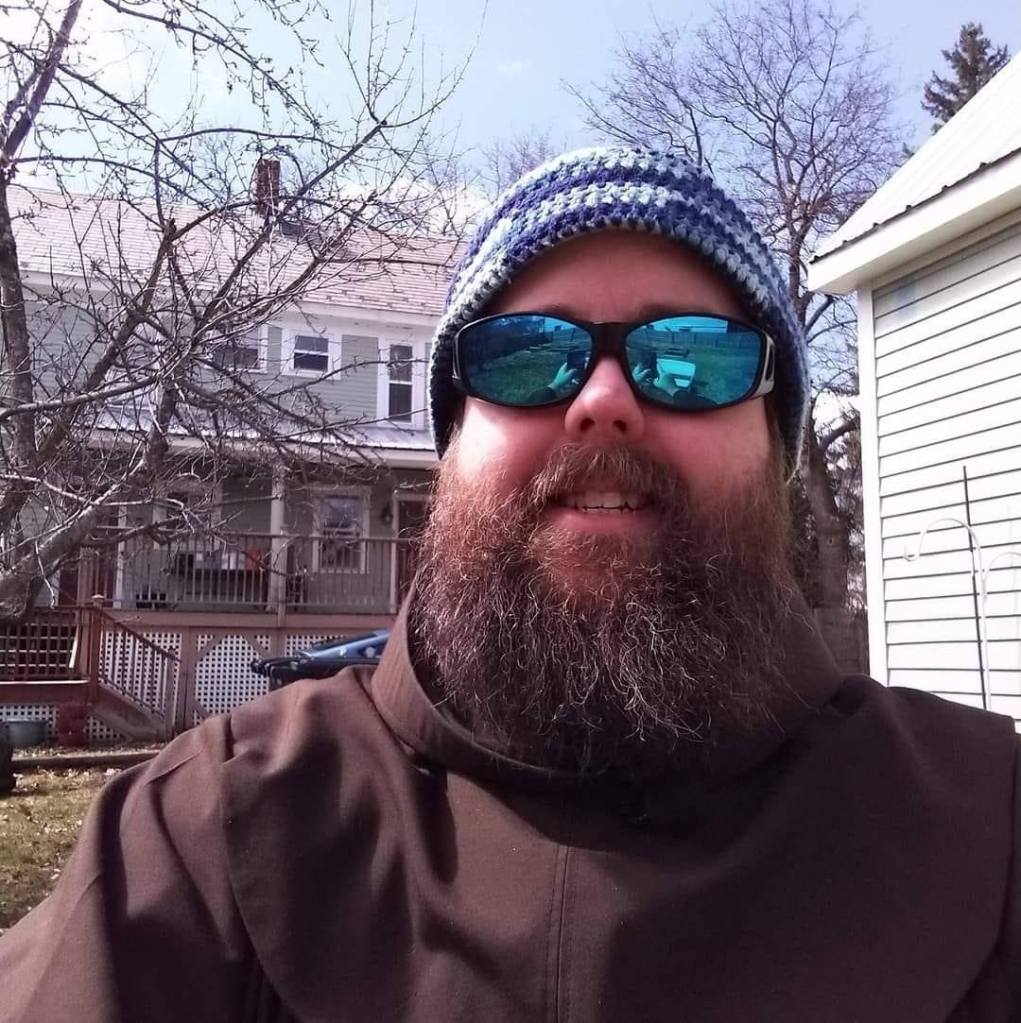
Br. John Michael (JM) Longworth, OEF (they/them) is a life professed Franciscan in the Order of Ecumenical Franciscans and a minister of the Gospel from Rutland, VT. They serve as the Grant Writer & Foundation Specialist for Committee on Temporary Shelter in Burlington, VT, using narrative to provide shelter, services, and affordable housing to households experiencing or at risk of homelessness. JM is also a trained spiritual director and loves helping people to explore the linkages between spiritual practice and collective liberation. As an AroAce theologian, JM is fascinated by exploring sacred friendship, both as an embodiment of Gospel ethics, and as a form of resistance to the isolation and alienation of a community build entirely around nuclear family units.
Mr. Wayne Twombly
*** More to come ***
 NEAR: New England AntiRacism